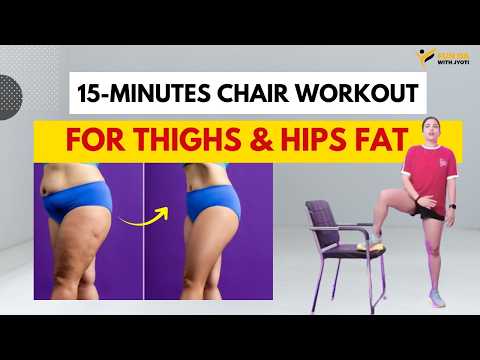
If you are new to exercise, start with three short sessions a week of simple strength moves, plus a daily walk or dance, and add a little more each week. You don’t need a gym or equipment: a chair, a dupatta and two water bottles are enough. By week four you will be close to the amount of activity WHO recommends for adults.
Before you start
- The NHS advises speaking to your doctor first if you haven’t exercised for some time, or if you have medical conditions or concerns.
- Had a baby recently? Get your doctor’s go-ahead and read our postpartum guide and diastasis recti guide first.
- Wear comfortable clothes and supportive shoes (or bare feet on a non-slip floor), and keep water nearby.
How hard should it feel?
Use the NHS “talk test”. During moderate activity you can still talk, but not sing. During vigorous activity you can’t say more than a few words without pausing for breath. Beginners should aim for moderate. For strength moves, the last two or three repetitions should feel like effort, but your form should stay good.
Warm-up (3 minutes)
- March on the spot, swinging your arms: 1 minute.
- Shoulder rolls and big arm circles: 30 seconds each way.
- Side steps with a clap overhead: 1 minute.
The six beginner moves
Together these work all the major muscle groups the NHS lists: legs, hips, back, abdomen, chest, shoulders and arms.
1. Chair sit-to-stand (legs and hips)
Sit near the front of a sturdy chair, feet hip-width apart. Lean forward slightly and stand up, pushing through your heels, then sit back down slowly. Use your hands on your thighs if you need help at first.
2. Wall push-up (chest, shoulders and arms)
Stand an arm’s length from a wall with your hands flat on it at shoulder height. Bend your elbows to bring your chest towards the wall, keeping your body straight, then push back. Step further from the wall to make it harder.
3. Dupatta pull-apart (upper back and posture)
Hold a dupatta in both hands at chest height, hands shoulder-width apart, with the dupatta tight. Pull your hands outwards as if stretching it, squeezing your shoulder blades together, then return slowly. Great for women who sit or bend over the kitchen counter a lot.
4. Water bottle shoulder press (shoulders and arms)
Sit tall or stand with a filled water bottle in each hand at shoulder height. Press them up overhead without arching your back, then lower slowly.
5. Glute bridge (hips and lower back)
Lie on your back with knees bent and feet flat. Breathe out and lift your hips until your body makes a straight line from shoulders to knees, squeeze your buttocks, then lower slowly.
6. Bird dog (core and balance)
On hands and knees, keep your back flat. Stretch your right arm forward and left leg back, hold for a breath, then return and switch sides. Move slowly; if your tummy domes or your back sags, make the movement smaller.
Cool-down (2 minutes)
Walk slowly around the room, then gently stretch your thighs, calves, chest and shoulders, holding each stretch for about 20 seconds while breathing slowly.
Your 4-week plan
Week 1: get started
- 3 days (e.g. Monday, Wednesday, Friday): warm-up, 1 round of the six moves, 8 repetitions each (8 per side for bird dog), cool-down. About 15 minutes.
- Every day: a 10-minute walk, or dance to two or three songs.
Week 2: a little more
- 3 days: 2 rounds of the six moves, 10 repetitions each, with a minute’s rest between rounds. About 20 minutes.
- The other days: 15 minutes of brisk walking or dancing.
Week 3: add cardio days
- 2 days: 2 rounds of the six moves, 12 repetitions each.
- 2 or 3 days: 20 to 25 minutes of brisk walking or dance cardio.
Week 4: your new routine
- 2 days: 3 rounds of the six moves, 12 repetitions each.
- 3 days: 30 minutes of brisk walking or dance cardio. That is 90 minutes, and with your strength days and daily walks you are close to WHO’s 150 minutes a week.
- Rest: at least one easy day with only a gentle walk or stretching.
How to keep progressing
- Add 2 repetitions or one more round.
- Slow the movement down: take three seconds to lower.
- Fill your bottles with sand instead of water, or use bigger bottles.
- Use a lower chair for sit-to-stands, or step further from the wall for push-ups.
Change one thing at a time, and only when the current level feels comfortable.
Staying consistent when life is busy
- Same time, every time. Before the house wakes up, or while dinner is cooking.
- Get your props out the night before. Chair, dupatta, bottles, ready.
- On a bad day, do 10 minutes. WHO’s guidance is clear that some activity is better than none.
- Break up sitting. The NHS recommends breaking up long periods of sitting with some activity: stand up and walk around every hour.
- Tell someone. A friend, a sister, a group. Being asked “aaj workout hua?” keeps you going.
- Track it. A tick on the calendar for every session. Measure your waist monthly rather than weighing yourself daily.
Make it FunDa: add dance
Dance is one of the easiest ways for beginners to get cardio, because it doesn’t feel like a workout. Put on songs you love and keep moving for the length of the track. Our home workouts page has Dr. Jyoti’s weekly plan and free follow-along videos.