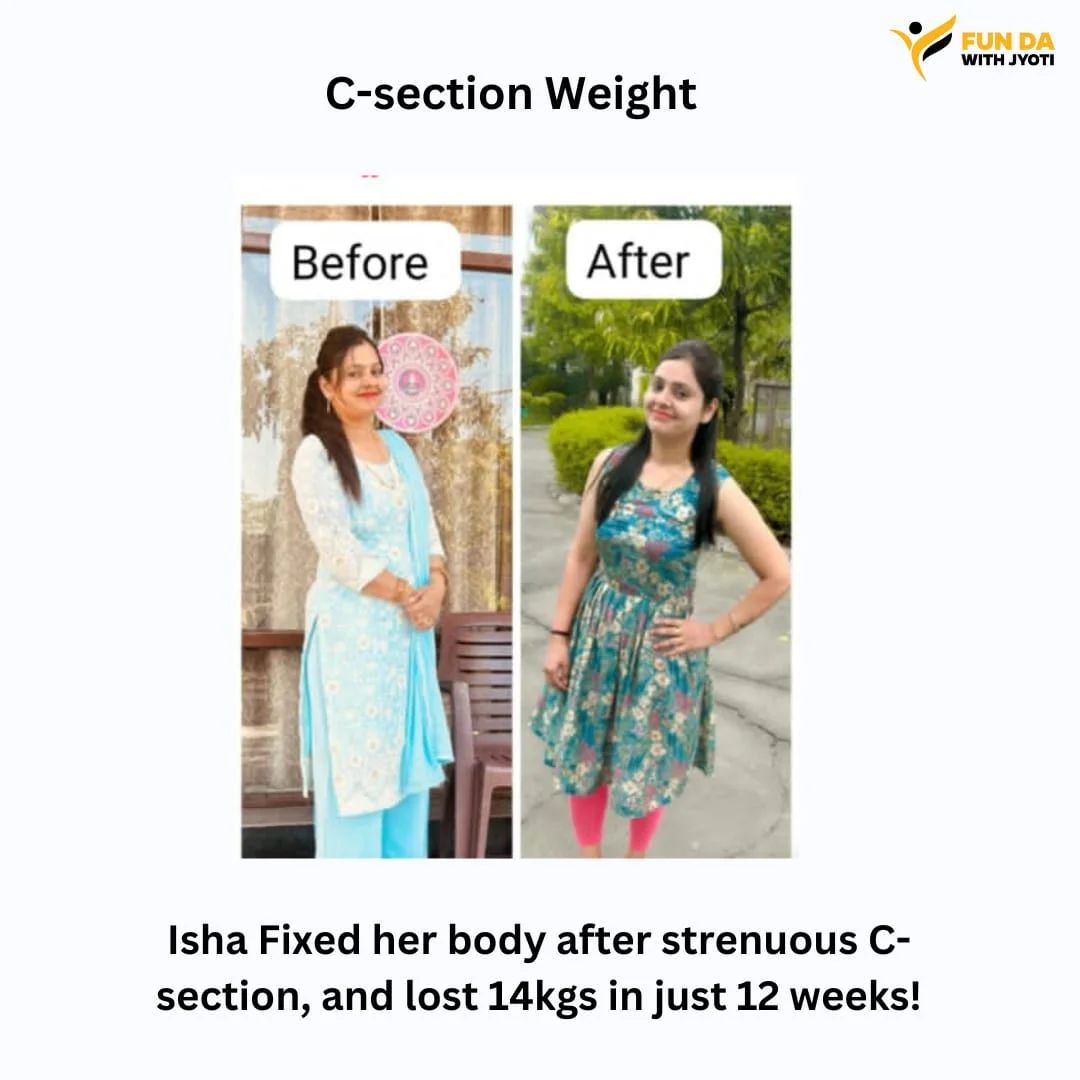
First, recovery
Your body has done something enormous. The first weeks after birth are for healing, sleep (whatever you can get) and feeding your baby. Pressure to "get your body back" quickly helps no one. A gradual return is safer, and it lasts.
Your postnatal check at around 6–8 weeks is a good time to discuss exercise, and any physical or emotional concerns, with your doctor. After a caesarean or a complicated birth, wait for your doctor's clearance before starting workouts.
Start with your pelvic floor
Pelvic floor muscles support your bladder, vagina and bowel, and pregnancy and birth stretch them. The NHS suggests building up to 10 repeats of each pelvic floor exercise, at least 3 times a day. They are quiet and can be done while feeding or resting.
Tummy muscle separation
It is common for the two muscles down the middle of your stomach to separate during pregnancy. The NHS notes this usually returns to normal by the time your baby is 8 weeks old. If the gap is still obvious after that, see your doctor. Early on, avoid sit-ups, planks and high-impact moves such as jumping.
Building back up
WHO recommends that women after pregnancy aim for at least 150 minutes of moderate activity a week, with a mix of aerobic and muscle-strengthening exercise. A gradual path might look like this:
- Early weeks: pelvic floor exercises, gentle walks, breathing and posture work.
- After your doctor's clearance: low-impact dance cardio and light strength work with household props, 2–3 times a week.
- Over the following months: longer or more frequent sessions, adding intensity only if you have no pain, leaking or heaviness.
Food, sleep and your mood
Regular meals from home-cooked food, water and whatever rest you can get are part of recovery too. The "baby blues" are common, but if low mood or anxiety lasts more than two weeks or feels overwhelming, speak to your doctor. Help is available.
How FunDa fits a new mother's day
FunDa classes are live on Zoom, women-only and done at home, so there's no travel and no childcare to arrange. Dr. Jyoti created FunDa after her own weight gain following her daughter's birth, so she knows this season well. We support postpartum women with movement and habits; any medical concerns, including diastasis recti, belong with your doctor.