Most women who feel tired all the time are short of sleep, stressed or run down, but tiredness can also be a sign of a medical problem. If you have felt tired for a few weeks and don’t know why, see a doctor: a blood test can check for anaemia, which affects more than half of Indian women aged 15 to 49, as well as thyroid problems and diabetes. Alongside that, regular sleep times, regular meals, daily gentle movement and less caffeine later in the day help many women feel more energetic within a few weeks.
The everyday causes
The NHS lists these as the common causes of tiredness and fatigue:
- Not enough sleep, or finding it hard to fall or stay asleep (insomnia).
- Lifestyle: an unhealthy diet and not getting much exercise.
- Stress, low mood or depression, and life challenges such as looking after a new baby or caring for a family member.
- Hormonal changes such as pregnancy or the menopause.
- Illnesses and medicines: recovering from an infection, or medicines that cause drowsiness.
For many women it is several of these together: late nights after the family sleeps, early mornings, skipped breakfast, tea instead of meals, and no time to move.
Medical causes to check
If you can’t explain your tiredness, it has gone on for a while and isn’t getting better, it may be a sign of a medical condition. Don’t self-diagnose; these are the common ones a doctor may check:
- Iron deficiency anaemia: lack of energy, shortness of breath, noticeable heartbeats, pale skin and headaches. Heavy periods and pregnancy are common causes. In India it is very common: in the NFHS-5 survey (2019–21), about 57% of women aged 15 to 49 were anaemic, up from 53% in 2015–16.
- Vitamin B12 or folate deficiency: extreme tiredness, lack of energy, pins and needles, a sore red tongue and mouth ulcers. Diet can be a cause, for example a vegan diet without B12-fortified foods or supplements.
- Underactive thyroid: tiredness, weight gain, feeling cold and low mood. See our thyroid guide.
- Diabetes: feeling very tired, very thirsty, peeing more often and losing weight without trying.
- Sleep apnoea: tired during the day, loud snoring, and gasping or choking noises at night.
- Menopause and perimenopause: night sweats and broken sleep in your 40s and 50s. See our perimenopause guide.
The NHS advises seeing a doctor if you have felt tired for a few weeks and aren’t sure why, if tiredness affects your daily life, or if it comes with other symptoms such as weight loss or mood changes. Tests may include blood tests for anaemia, diabetes or thyroid problems.
Don’t guess with supplements
It is tempting to start iron or a multivitamin on your own. Get tested first: the treatment depends on the cause, iron tablets have side effects and need follow-up blood tests, and B12 deficiency may need injections. Your doctor will tell you what to take and for how long. Keep iron tablets out of children’s reach, because an overdose can be dangerous for a child.
Eating for energy
- Eat regular meals: the NHS suggests regular meals and healthy snacks every 3 to 4 hours rather than a large meal less often. Don’t run on chai and biscuits.
- Iron-rich foods: dark-green leafy vegetables, pulses (dal, rajma, chana), dried fruit, iron-fortified cereals, and meat if you eat it.
- Tea and coffee between meals: the NHS notes that large amounts of tea and coffee can make it harder to absorb iron, so avoid having chai with your main meals.
- B12 if you are vegetarian: it is found in milk, curd, paneer and eggs, and in fortified foods; vegans need fortified foods or a supplement.
- Water: mild dehydration can make you feel tired, so keep a bottle nearby.
Our Indian diet guide shows a balanced plate, and our protein guide covers vegetarian protein.
Move to make energy
When you are tired, exercise feels like the last thing you need. But the NHS says regular exercise makes you feel less tired in the long run, and even one 15-minute walk can give you an energy boost. In a small trial, sedentary young adults with persistent tiredness exercised 3 times a week for 6 weeks: both low and moderate intensity improved their feelings of energy, and the gentler sessions helped tiredness most. So start gently:
- A 10 to 15 minute walk, ideally in daylight, most days.
- Gentle stretching or slow dance to a few songs.
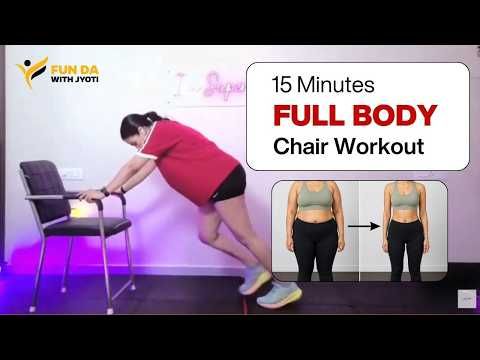
- Two short strength sessions a week once you feel ready, such as our 15-minute chair workout.
Build up gradually over weeks towards WHO’s 150 minutes of moderate activity a week.
Sleep and caffeine
- Go to bed and get up at the same time every day, and aim for 7 or more hours.
- Put screens away for the hour before bed.
- Cut down on tea, coffee and cola later in the day: the NHS notes caffeine’s effects can last up to 7 hours. Reduce it gradually, because stopping suddenly can cause headaches.
- Avoid long daytime naps if you sleep badly at night.
Waking at night, lying awake or snoring? Our sleep guide has a wind-down routine, and the NHS advises seeing a doctor if poor sleep goes on for months.
Stress, mood and the mental load
Stress uses up a lot of energy. Small daily breaks help: a walk, music, yoga, time with a friend. Our stress guide has a 15-minute daily reset. If you feel low, hopeless or lose interest in things most days, tiredness may be part of depression, which is treatable: talk to a doctor, or call Tele-MANAS on 14416, a free mental health helpline from the Government of India.
A 2-week energy plan
- Days 1–3: book a doctor’s appointment if you have been tired for weeks; fix your bedtime and wake-up time.
- Days 1–14: three meals a day plus one healthy snack, and no chai with main meals.
- Days 1–14: a 10 to 15 minute daylight walk every day.
- Days 4–14: no caffeine after 2 pm, and screens away an hour before bed.
- Days 8–14: add 2 gentle 15-minute workouts or dance sessions.
- Day 14: rate your energy from 1 to 10 each day of the second week and compare. If nothing has changed, make sure you have seen a doctor.
Get urgent help if
- Tiredness comes with chest pain, severe breathlessness, fainting, confusion, or sudden weakness or numbness on one side.
- You are bleeding heavily, or feel faint or breathless with heavy periods.
- You are very thirsty, peeing a lot and losing weight without trying: the NHS advises an urgent appointment for possible diabetes.
- You have thoughts of harming yourself: call Tele-MANAS on 14416 or go to the nearest emergency department.
Start gently with Dr. Jyoti
Two short follow-along sessions for low-energy days: a 4-minute dupatta toning session and a 15-minute chair workout.
Sources
- NHS. Tiredness and fatigue (reviewed 2 June 2023).
- NHS. Self-help tips to fight tiredness (reviewed 8 November 2023).
- NHS. Iron deficiency anaemia (reviewed 26 January 2024).
- Let S et al. Prevalence and determinants of anaemia among women of reproductive age in Aspirational Districts of India: an analysis of NFHS 4 and NFHS 5 data. BMC Public Health. 2024;24:437.
- NHS. Vitamin B12 or folate deficiency anaemia (reviewed 20 February 2023).
- NHS. Underactive thyroid (hypothyroidism) (reviewed 28 April 2025).
- NHS. Diabetes (reviewed 26 June 2025).
- NHS. Heavy periods (reviewed 19 September 2024).
- Puetz TW et al. A randomized controlled trial of the effect of aerobic exercise training on feelings of energy and fatigue in sedentary young adults with persistent fatigue. Psychother Psychosom. 2008;77(3):167-174.
- Bull FC et al. World Health Organization 2020 guidelines on physical activity and sedentary behaviour. Br J Sports Med. 2020.
- Watson NF et al. Recommended amount of sleep for a healthy adult: a joint consensus statement of the American Academy of Sleep Medicine and Sleep Research Society. Sleep. 2015;38(6):843-4.
- NHS. Insomnia (reviewed 19 March 2024).
- NHS. Menopause and perimenopause: symptoms (reviewed 19 May 2026).
- Press Information Bureau, Government of India. Tele-MANAS (Tele Mental Health Assistance and Networking Across States) launched.
How we write our guides: read our editorial and evidence policy.